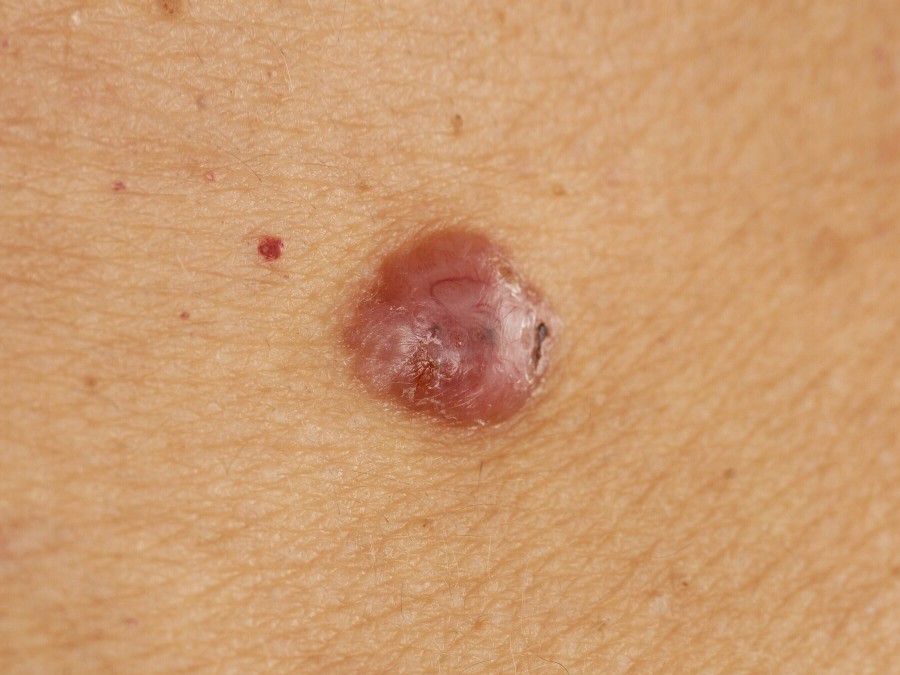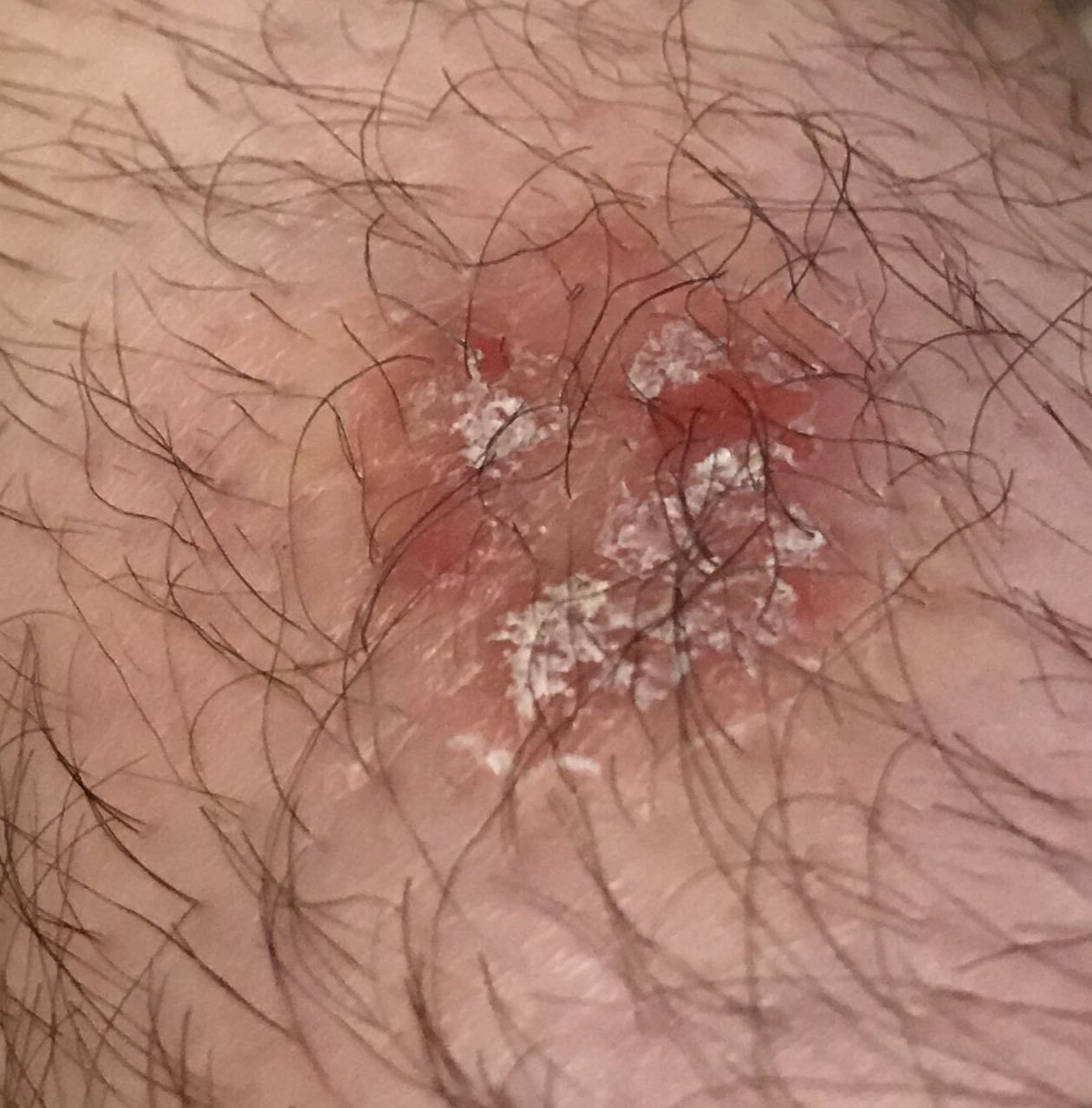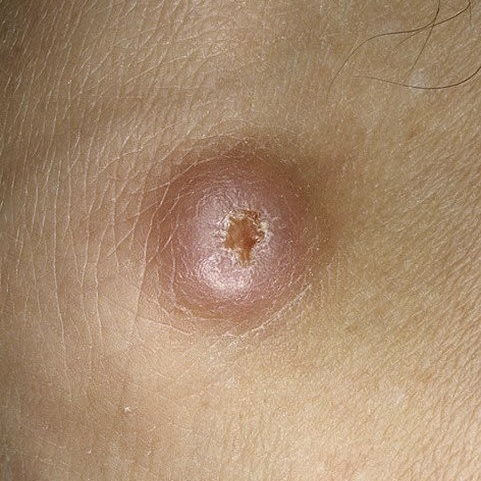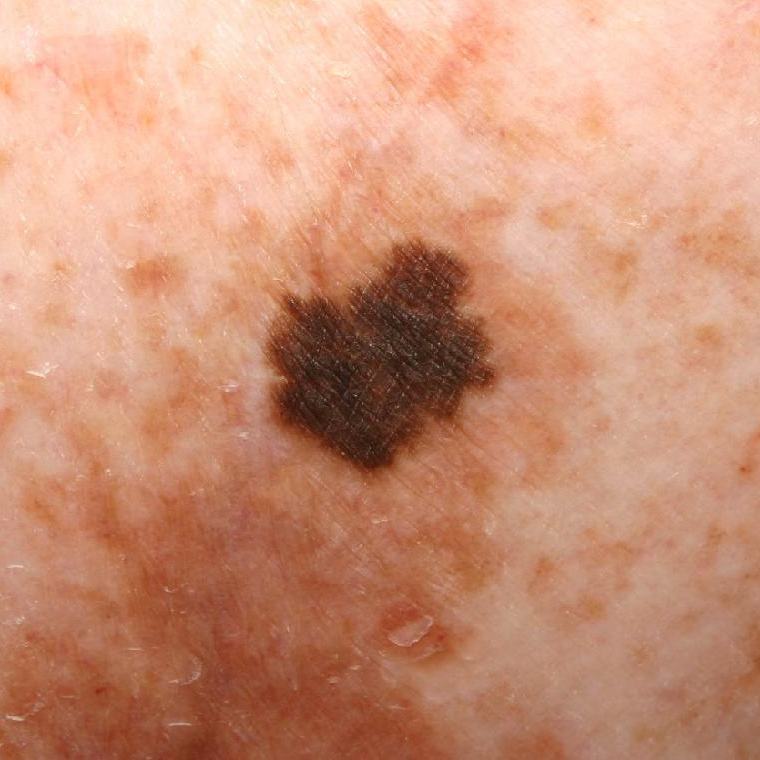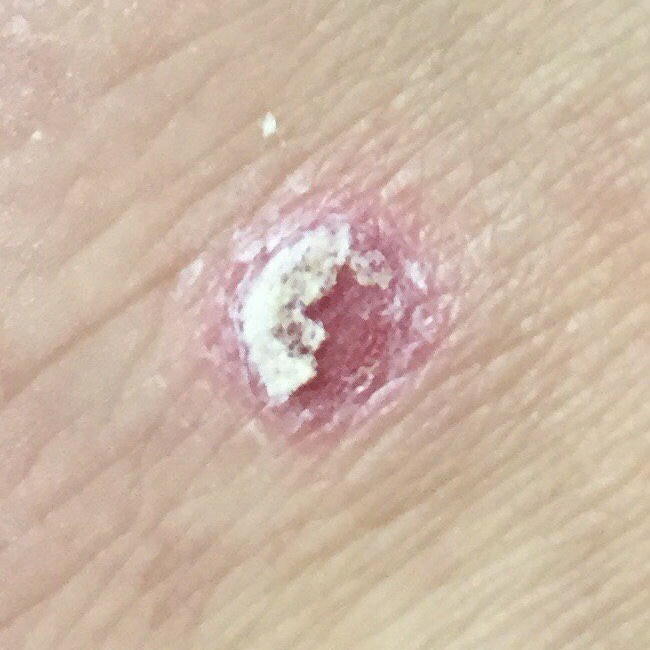
Skin cancer is an abnormal growth of skin cells, often caused by exposure to ultraviolet radiation from the sun or tanning bed. There are different types of skin cancer including basal cell carcinoma, squamous cell carcinoma and melanoma.
🚨 High risk: Skin cancer can be very dangerous, especially if left untreated. In particular, melanoma can spread to other parts of the body and become life-threatening.
💊 Treatment: Treatment and diagnosis should be done immediately as soon as you notice any suspicious changes on your skin, such as new moles, changes in existing moles, or non-healing sores. It is best to see a dermatologist for evaluation and treatment. The urgency depends on the specific symptoms and risk factors you may have.
💡 Skin Self-Exams tips: Follow the ABCDE rule for self-examination: asymmetry, border irregularity, discoloration, diameter (greater than 6 mm), and developing signs. Perform these exams monthly, especially if you have a history of skin cancer or risk factors such as fair skin or a family history of the disease. If you notice any changes, see your doctor immediately.
🇬🇧 Skin Cancer Diagnosis and Treatment in UK
In the UK, early detection of skin cancer is taken very seriously. If you notice any suspicious mole, new skin lesion, or a sore that does not heal, you should contact your GP (General Practitioner) as soon as possible.
Your GP will assess the lesion and, if needed, refer you to a dermatologist or a specialist skin cancer clinic. Under NHS guidelines, patients with suspected melanoma or other serious skin cancers may be referred through the Urgent Suspected Cancer Pathway, which aims for specialist assessment within two weeks.
However, waiting times for routine dermatology appointments in the NHS can be long in many regions. If you are concerned about rapid changes in a mole or skin lesion, you may consider:
- seeing a private dermatologist in UK for faster evaluation
- using an online dermatology consultation service
- performing an immediate AI-based skin check for risk assessment
Find a dermatologist in major UK cities
If you prefer to seek care directly, you can explore dermatology options in your area:
- Dermatologist in London
- Dermatologist in Manchester
- Dermatologist in Liverpool
- …
Check your skin risk instantly
You can also use the Skinive AI – Mole Checker app for skin analysis to evaluate suspicious moles or lesions from a photo. The system is designed to help identify potential warning signs early and guide you on whether medical consultation is recommended.
🇦🇺 Skin Cancer Diagnosis and Treatment in Australia
Australia has one of the highest skin cancer rates in the world, so early detection is strongly encouraged. If you notice any suspicious mole, changing skin lesion, or non-healing sore, you should consult a GP (General Practitioner) or visit a dedicated skin cancer clinic.
GPs in Australia can assess lesions and refer patients to dermatologists or melanoma specialists when needed. Many regions also have specialised skin cancer clinics that provide rapid mole checks and dermoscopy examinations.
Because public dermatology waiting times may vary by region, patients often choose:
- visiting a private dermatologist
- attending a skin cancer clinic for rapid screening
- using an online skin consultation service
- performing an immediate AI-based skin assessment
Find dermatology services in major Australian cities
You can explore dermatology options in:
- Dermatologist in Sydney
- Dermatologist in Melbourne
- Dermatologist in Brisbane
Check your skin risk instantly
You can also use the Skinive AI- Mole Checker app for skin analysis to evaluate suspicious lesions from a photo and determine whether medical consultation is recommended.
🇮🇪 Skin Cancer Diagnosis and Treatment in Ireland
In Ireland, patients usually begin by contacting their GP, who can assess suspicious skin lesions and refer to a dermatologist if necessary. Early evaluation is important, particularly if you notice a new mole, rapid growth, bleeding, or colour changes.
Public dermatology services are available through the Health Service Executive (HSE) or NCCP (National Cancer Control Programme), but waiting times for routine consultations may be long in some areas. Because of this, patients sometimes consider:
- seeing a private dermatologist in Ireland
- using an online dermatology consultation
- performing an early AI-based skin check
Find dermatology services in major Irish cities
You may wish to explore dermatology options in:
- Dermatologist in Dublin
- Dermatologist in Cork
- Dermatologist in Galway
(вставить ссылки)
Check your skin risk instantly
Skinive AI- Mole Checker app analysis can help you quickly evaluate suspicious moles from a photo and guide you on whether medical consultation may be needed.
Skin cancer types: